Illinois Is Drawing a New THC Line. Some Hemp Products Will Vanish From Store Shelves

Illinois is about to change where many hemp-derived products can be sold. Beginning November 12, a consumable or topical product containing more than 0.4 milligrams of total THC in the entire container will no longer qualify as hemp under state rules. It will be treated as cannabis, moving sales into the licensed system rather than ordinary convenience stores, smoke shops or online storefronts.
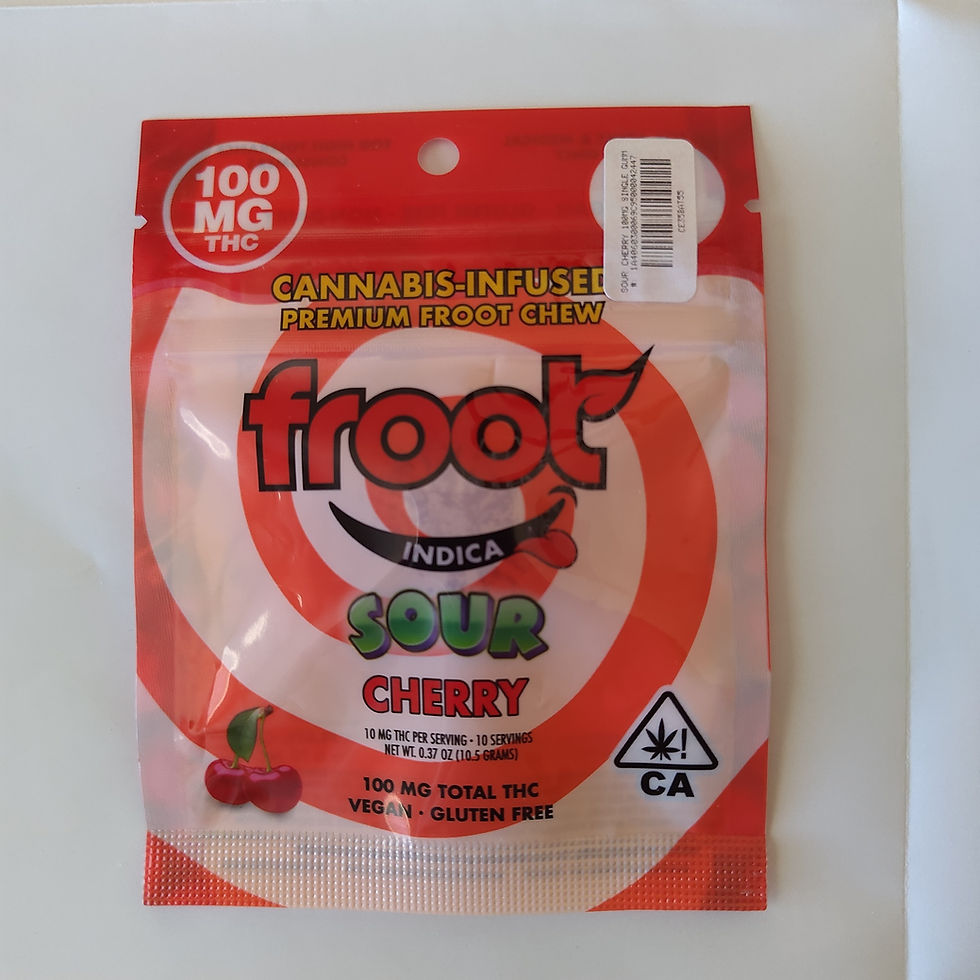
The detail that matters is the container, not one serving. A beverage, package of gummies or bottle of oil can cross the line even when each portion appears small. Illinois tax officials issued guidance this week to clarify how the threshold will work under the state’s new Hemp Act. Retailers now have less than a month to review labels, inventory and suppliers.

Illinois will apply a new total-THC threshold to consumable and topical hemp products beginning November 12. Image: Elsa Olofsson / CC BY 2.0
The law is aimed at a gap created after hemp was legalized nationally. Manufacturers learned to derive intoxicating cannabinoids from hemp and sell them outside the testing, age restrictions and licensing structure applied to marijuana. Products that could produce a noticeable high began appearing beside snacks and supplements, often with packaging that looked familiar to younger customers.
Supporters of the change argue that chemistry should matter more than the word on the label. If a product contains enough THC to intoxicate, they say it should face comparable testing and sales controls. Licensed cannabis companies have made the same point for years while paying taxes and compliance costs that unlicensed hemp sellers could avoid.
Hemp businesses see a different risk. The 0.4-milligram threshold is extremely low for a whole package, and trace THC can appear naturally in full-spectrum CBD products that are not marketed for intoxication. A retailer may have to remove a lotion or tincture even when its customers use it for wellness rather than a high. Testing accuracy and clear certificates of analysis will become essential.
CBD itself is not banned. Products that remain below the total-THC limit can continue to fit within the hemp category, subject to the rest of the law. Shoppers should therefore expect a sorting process rather than the disappearance of every hemp item. Some brands will reformulate, some will reduce package size and others may enter the licensed cannabis market if the economics make sense.
The change will be most visible at the neighborhood level. Stores that built shelves around hemp-derived gummies and drinks may lose popular inventory. Employees will need to explain why one product remains legal while another has moved behind a dispensary door. Consumers who do not understand the threshold may assume the state banned CBD or changed the federal definition of hemp, neither of which describes the rule accurately.
Public health depends on more than moving products. Illinois will need consistent laboratory standards, enforcement and consumer education. An unclear rollout could push demand toward unregulated online sellers or products that misstate their contents. A credible system has to make compliant choices easy to identify and noncompliant products difficult to disguise.
Packaging will be another early test. A laboratory result can be accurate while a consumer-facing label remains confusing about total THC, serving size and the number of servings. Regulators should expect shoppers to make decisions in seconds, not perform calculations in a store aisle. Clear front-of-package totals would make the new threshold understandable and reduce accidental overconsumption.
Adults who use hemp products should check the total THC for the full package, not only the front label. Look for a recent laboratory report tied to the batch number and avoid brands that promise an exact effect without showing what is inside. Anyone who wants an intoxicating product will have a clearer, regulated route through licensed dispensaries, where age checks and testing rules already apply.
Illinois is drawing a bright line in a market that grew through gray areas. The rule will be painful for some retailers and overdue for consumers who assumed every hemp product was non-intoxicating. Its success will depend on whether the state can protect access to legitimate low-THC products while moving stronger ones into a system built to handle them. November 12 is when that promise meets the shelf.


Comments