That Cannabis Product Was Recalled. California’s Search Tool Makes the Warning Harder to Miss

A cannabis recall can be easy to miss. The package may still look normal, the brand may remain on other shelves and the warning may identify only one batch among many similar products. California’s Department of Cannabis Control now puts active recall information into a searchable public portal, giving consumers a faster way to check what they bought before they use it.
The search page lists the product name, brand, type, batch or lot details, recall date and reason when that information is available. Those specifics matter because recalls usually do not apply to every item a company has made. Matching the label is more reliable than relying on a photograph or deciding that a familiar logo must be safe.

A legal storefront is only the first safety check; consumers should also match product and batch details against recall notices. Image: Dank Depot / CC BY 2.0
Recent notices show the range of problems regulators can identify. A recall may involve microbial contamination, inaccurate labeling, an ingredient that should not be present or another failure to meet state rules. The notice explains what is known and which products are affected. It should not be stretched into a claim that every product from the business is dangerous.
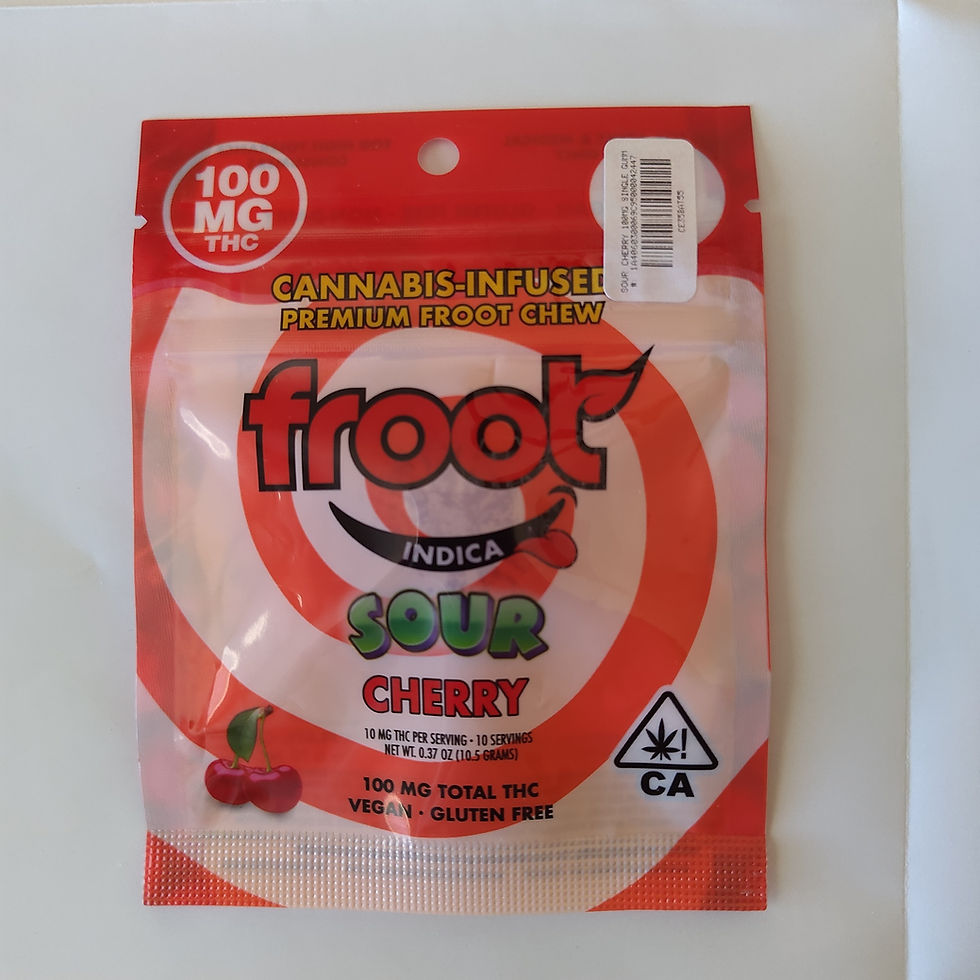
Consumers should keep the original package long enough to read its identifiers. Look for the batch or lot number, universal symbol, product name and manufacturer or distributor information. If the portal entry matches, stop using the product and follow the instructions in the notice. A dispensary can help with returns, but it should not replace the official recall details.
Do not use smell, appearance or taste as a safety test. Some contaminants are not visible, and a normal-looking edible or pre-roll can still be part of a recalled batch. Throwing away the label also makes it harder to report a reaction or prove which item was purchased. Photographing the package and receipt can preserve useful information.
If someone feels ill after using a recalled product, the appropriate response depends on the symptoms. Severe breathing trouble, loss of consciousness or another emergency requires immediate medical help. For less urgent concerns, contact a healthcare professional and provide the product details. Consumers can also report adverse events through the channels listed by state health and cannabis agencies.
California distinguishes between voluntary and mandatory recalls. A licensed business may initiate a recall after discovering a problem, while the department can order one when regulatory conditions are met. Either way, the consumer task is the same: identify the exact product, stop using it and follow the official handling or return guidance.
The portal also helps explain why shopping through the regulated market matters. Licensed products move through testing, labeling and tracking systems that can support a targeted recall. Illicit products may copy popular packaging without a reliable batch record or responsible licensee. A low price cannot replace traceability when something goes wrong.
Retailers and brands should make recall information visible rather than waiting for customers to find it. Email, text and point-of-sale records can help reach purchasers. Staff should know which batches are affected and avoid vague assurances. A precise, fast response protects consumers and can preserve more trust than minimizing the problem.
The search tool is also useful before a repeat purchase. Someone who hears a product name in a group chat can check the official record instead of passing along a cropped warning with no date or batch. Old recall posts often keep circulating after affected inventory is gone. The portal provides the context needed to separate a current alert from recycled fear without dismissing a legitimate safety notice.
Consumers can bookmark the portal and search by the wording printed on the package. If the result is unclear, the department’s notice is the starting point, not a comment section. Brands change packaging and related products can look nearly identical, so exact identifiers carry more weight than color, flavor or a familiar character on the label.
Cannabis culture has spent decades arguing for legitimacy. Product safety is part of that promise. A recall does not prove that regulation has failed; sometimes it shows the system finding a problem and narrowing the response. The useful habit is simple: keep the package, check the batch and use California’s portal when a warning appears. The difference between a rumor and a recall is searchable detail.


Comments