420 Was Not a Police Code. The Real Story Started With Five California Teenagers and a Treasure Map

The number appears on dispensary discounts, festival posters, clocks in movies and April calendars around the world. Ask why 420 means cannabis, however, and folklore rushes in. It was a police code. It counted the chemicals in the plant. It came from a Bob Dylan song. The best-supported history is smaller, funnier and far more human: five California teenagers needed a time to meet after school.
In 1971, the friends attended San Rafael High School in Marin County and called themselves the Waldos. According to their account, they learned about an abandoned cannabis crop and planned to search for it. Their meeting place was near a statue of Louis Pasteur, and 4:20 p.m. worked after classes and sports practice. The phrase “4:20 Louis” became a reminder, then shortened to 420.

A private meeting code created by California teenagers became the most recognizable number in cannabis culture. Image: Soyamol17 / CC0
The treasure hunt did not deliver the legendary field. The code survived because it was useful. The friends could say 420 around parents or teachers without explaining what they meant. It came to refer not only to the search but to getting together to smoke. A failed expedition created a successful piece of private language.
The story spread beyond the group through the cultural network around the Grateful Dead. One of the Waldos had a family connection that helped place him near the band’s orbit, where the term circulated among musicians, crew and fans. Deadhead culture was especially effective at moving language between concerts and cities because followers traveled, traded recordings and formed communities long before social media.
A major leap came in 1990, when a flyer distributed around a Grateful Dead event invited people to meet at 4:20 on April 20 for cannabis. High Times reporter Steve Bloom received a copy, and the magazine later printed it. Once a subcultural code reached a national publication, 4:20 became both a time of day and a date that could organize celebration, protest and commerce.
The police-code explanation remains popular because it sounds official and secret at once. It is also unsupported as the origin. Police agencies use different codes, and 420 has meant other things in particular systems. The Dylan theory multiplies 12 by 35 from “Rainy Day Women #12 & 35,” which produces the number but not a documented chain into cannabis slang. A clever coincidence is not a source.
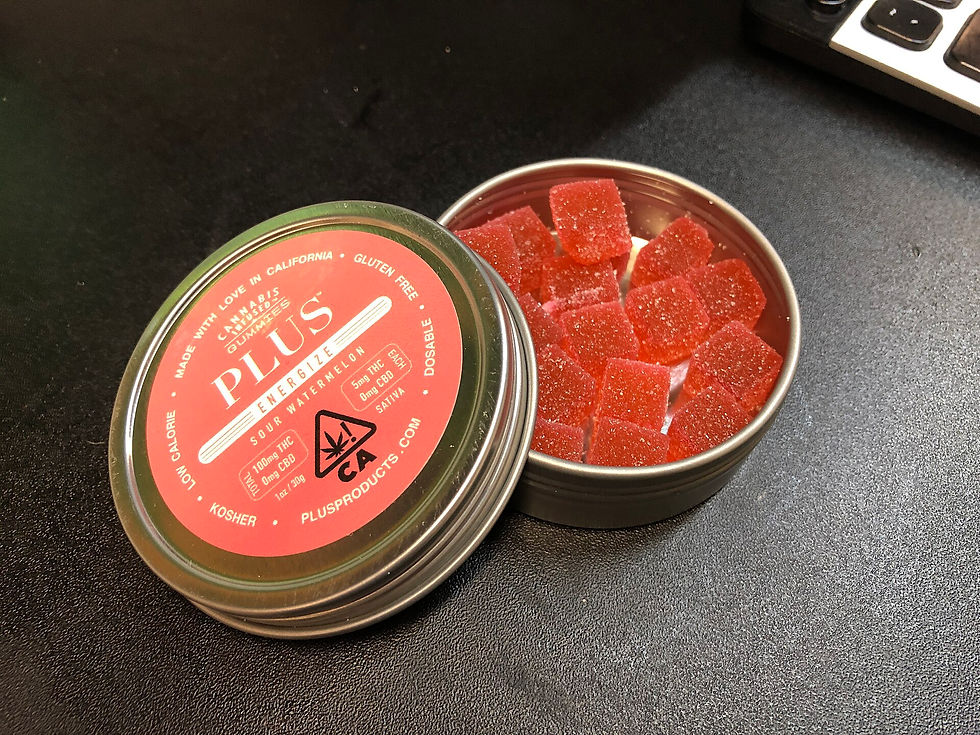
Over time, 4/20 changed with cannabis policy. What once functioned as an underground signal became a public rallying date for legalization and criminal-justice reform. In legal markets it also became a retail event, complete with promotions and branded products. The same number can therefore represent resistance, community, consumption or simple humor depending on who uses it.
That commercial success creates tension. People affected by past marijuana enforcement may watch companies profit from a symbol built during prohibition. Advocates use April 20 to call attention to expungement, unequal arrests, medical access and the gap between state legalization and federal law. Celebration without that history can make the culture look detached from the consequences that shaped it.
The Waldos supported their account with old letters, postmarked material and people who remembered the phrase, and journalists traced how it moved into the Deadhead world. Historical evidence rarely offers a perfect recording of slang being invented. In this case, the combination of contemporaneous artifacts, named participants and a plausible transmission path is much stronger than the competing legends.
The real origin of 420 endures because it preserves what myths often erase: culture can begin with ordinary people making a joke for themselves. Five teenagers chose a practical meeting time, failed to find a hidden crop and accidentally created a global password. The number became larger than its inventors, but its appeal still carries the feeling of the first code: if you understand it, you are already part of the group. That journey from schoolyard shorthand to legal-market branding also shows how quickly counterculture can become commerce. Knowing the origin does not settle what 420 should mean now, but it makes the conversation more honest.


Comments