The Hemp THC Crackdown Was Delayed One Month. Here Is Why the Market Is Still Confusing

A federal deadline that could remove much of the intoxicating hemp market has moved from November 12 to December 11, giving businesses and lawmakers one more month to decide what comes next. The delay is real, but it is not a permanent rescue. It also does not make every hemp-derived gummy, drink or vape legal everywhere. The products sit inside a patchwork built from federal definitions, state laws and fast-changing chemistry.
The modern market grew from the 2018 Farm Bill, which distinguished legal hemp from marijuana using a limit of 0.3 percent delta-9 THC by dry weight. Producers learned to make or concentrate other intoxicating cannabinoids from hemp, including delta-8 THC, and to sell products outside many state-regulated marijuana systems. Congress later moved to narrow that pathway with rules aimed at total THC and very small per-container limits.
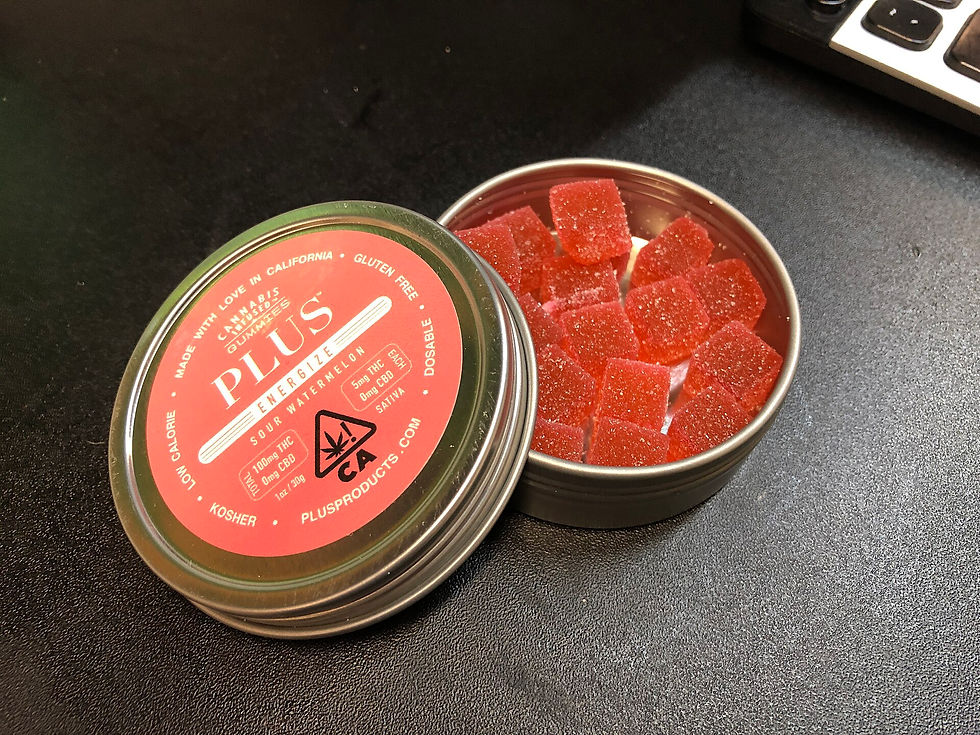
Products that look similar on a shelf can fall under different federal and state rules depending on their ingredients and THC content. Image: Sarah Stierch / CC BY 2.0
Those restrictions were scheduled to take effect on November 12. A short-term funding measure signed in September delayed most of the change until December 11. According to reporting by the Associated Press and Axios, the extra time gives Congress another opportunity to replace a broad prohibition with a regulatory framework. Synthetic cannabinoids that cannot be produced naturally from the cannabis plant may face an earlier cutoff under the legislation.
The legal distinction matters because hemp and marijuana can produce similar intoxicating experiences while traveling through different markets. State-licensed cannabis usually faces testing, age limits, packaging rules and tracking requirements established by a marijuana regulator. Hemp-derived products may appear in convenience stores, liquor retailers or online shops, with requirements that differ sharply by state. A label alone does not reveal the full regulatory path.
Delta-8 illustrates the problem. The Food and Drug Administration says delta-8 THC products have not been evaluated or approved for safe use and may be marketed in ways that put public health at risk. Manufacturing can involve chemical conversion and possible contaminants, while candy-like forms may appeal to children. That warning does not mean every product is identical. It means consumers should not mistake easy availability for federal safety approval.
Businesses now have a narrow planning window. Manufacturers must decide whether to reformulate, shift into regulated state cannabis channels, challenge the law or pause products. Retailers need to track inventory that may become unsellable under federal rules while also following state restrictions already in force. Investors face the same uncertainty. A market estimated at roughly $28 billion can still change quickly when its legal definition changes.
Consumers should read the package with skepticism. Look for an exact cannabinoid amount per serving and per container, a batch number, independent laboratory results and clear contact information. Keep intoxicating products away from children and pets, and never drive after using them. These are basic precautions, not a guarantee that the item complies with every rule or contains exactly what the label claims.
State law remains decisive. Some states regulate or ban delta-8 and related cannabinoids, while others allow sales under age, testing or retail limits. A product shipped from another state may not be lawful where it arrives. The National Conference of State Legislatures maintains a state cannabis database, but consumers and businesses should confirm current rules with the responsible local agency because legislatures and regulators continue to revise them.
The policy debate is not simply cannabis versus prohibition. Many industry groups are asking for national standards covering age, testing, labeling, dosage and distribution. Public-health advocates argue that the 2018 definition allowed intoxicating products to reach consumers without safeguards expected in regulated marijuana markets. A durable compromise would have to address access and safety while giving legitimate businesses rules that do not change every few weeks.
December 11 is therefore a decision point, not an answer. Congress could let the restrictions take effect, extend the deadline again or create a new framework. Until then, the most accurate description of the market is uncertainty with a countdown. The one-month delay gives lawmakers time, but it does not resolve what hemp-derived intoxication should be, who may sell it or how consumers can know what is actually inside the package.


Comments