The Edible Did Nothing, So You Took Another. Why That Decision Can Change the Entire Night

The first edible seems to do nothing. Forty minutes pass, impatience wins and a second piece looks like a reasonable correction. Then both doses arrive together. This familiar story is not evidence that edible cannabis is unpredictable magic. It reflects a different route through the body, one that starts more slowly than inhalation and can produce longer, more intense effects.
When cannabis is smoked or vaporized, THC moves from the lungs into the bloodstream and reaches the brain quickly. Effects can begin within minutes. An edible must be digested and absorbed through the gastrointestinal system. Food, metabolism and the product itself affect that process, so two people taking the same labeled amount may not feel it at the same time.
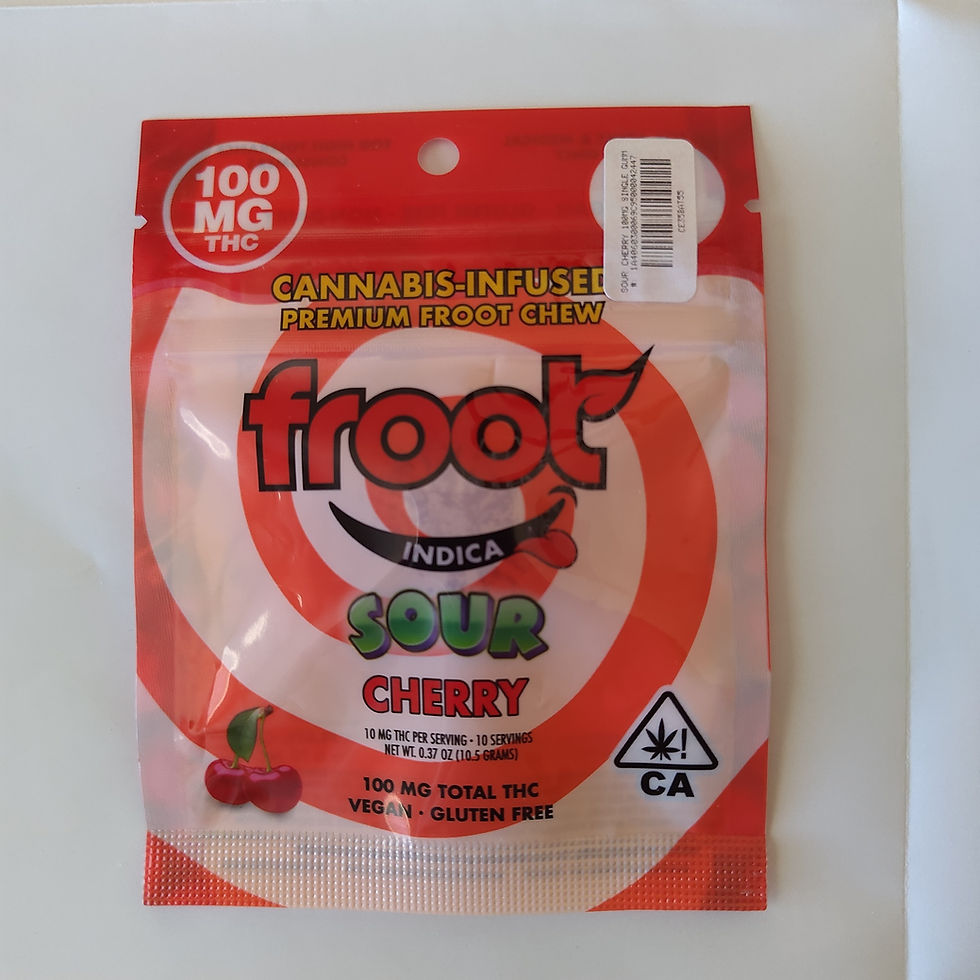
Delayed effects make edible cannabis easy to underestimate before the first dose has reached its peak. Image: UnifiedFunctionality / CC BY-SA 4.0
The liver also changes the chemistry. Oral THC undergoes first-pass metabolism and produces 11-hydroxy-THC, an active metabolite that crosses the blood-brain barrier. Research has connected the higher presence of this metabolite after ingestion with the stronger and longer-lasting experience people often report from edibles compared with inhaled cannabis.
The delay creates the central risk: dose stacking. A person assumes the first serving failed and takes more before it has peaked. By the time the effects become obvious, there is no simple way to remove the additional dose. Reviews of edible cannabis describe onset that can take 30 to 90 minutes, with peak effects arriving much later and the overall experience lasting for hours.
Labels deserve careful reading. The number on the front may describe an entire package rather than one serving. A chocolate bar or gummy can be divided unevenly, and homemade products may contain inconsistent concentrations. Legal limits and serving definitions also vary by jurisdiction. A familiar snack shape does not make the dose familiar.
Eating before or with an edible can change absorption, but the relationship is not a reliable timer. Body size alone cannot predict the experience. Frequency of cannabis use, individual metabolism, medications and product formulation all matter. That is why copying another person’s dose can produce a very different result.
Too much THC can cause panic, confusion, vomiting, rapid heart rate and impaired coordination. The experience is usually managed with time and supportive care, but severe symptoms require medical attention. Chest pain, trouble breathing, seizures, loss of consciousness or concern involving a child should be treated as emergencies rather than embarrassing mistakes.
Edibles also create a household safety problem because they can resemble ordinary candy or baked goods. Store products in their original child-resistant packaging and keep them locked away from children and pets. Do not place them in an unmarked food container. A guest should never have to guess whether a dessert contains cannabis.
The safest approach for an adult who chooses to use a legal product is to start with a low amount, wait long enough to understand the effect and avoid mixing it with alcohol or driving. People with medical conditions or medications should speak with a qualified clinician. Local law still controls possession and use, and legality does not remove impairment.
Waiting time should be planned before use, not negotiated after impatience begins. Choose the serving, note the time and avoid leaving extra pieces on the table. Being in a familiar place with a sober person nearby can reduce risk for an inexperienced user. No trick reliably makes an excessive dose end immediately, which is why the calm decision must come first. Keeping the package nearby also gives clinicians accurate information if help is needed.
The problem is not that an edible waited and then suddenly changed its mind. The body was processing it while the clock seemed quiet. Respecting that delay prevents the second dose from colliding with the first. In a culture that rewards instant results, edible cannabis demands the opposite skill: patience. The most important decision often happens before anything is felt, when there is still time to choose less, wait longer and keep the evening within your control.


Comments