California Quietly Changed Cannabis Pesticide Testing. Here Is What Shoppers Will Notice

California changed the laboratory rules behind every legal cannabis product that passes a dispensary counter. Updated pesticide action levels and testing requirements took effect October 1 after the Department of Cannabis Control completed a formal rulemaking process. Shoppers will not see a dramatic new package design, but the meaning of a laboratory pass now rests on a revised set of limits.
An action level is the concentration at which a detected pesticide can cause a sample to fail. The new regulations revise limits for substances already on the list and add requirements tied to additional analytes. They also establish laboratory quantitation standards, which help determine whether equipment and methods can reliably measure the low concentrations regulators require.

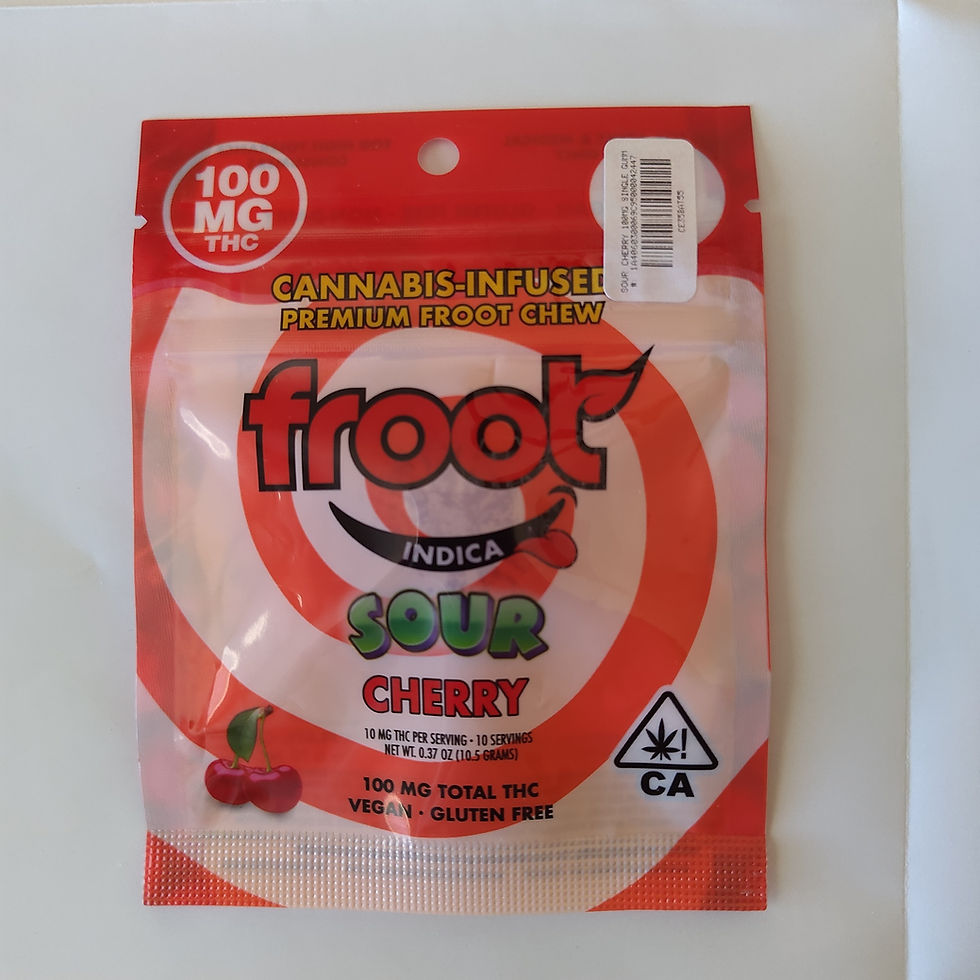
Licensed cannabis laboratories must follow California’s updated pesticide action levels and testing requirements. Image: Hey Paul / CC BY 2.0
The changes grew out of recommendations from California’s Department of Pesticide Regulation. Officials reviewed consumption data and reconsidered how exposure differs among inhaled and non-inhaled products. That distinction matters because the route and amount of use can change risk. An edible, a vape cartridge and flower are not consumed in the same way, even when they begin with material from the same plant.
For consumers, the basic advice remains straightforward: buy through licensed retailers and keep the package information until the product is finished. A licensed item should be linked to a batch and certificate of analysis. If regulators later announce a recall, those details make it possible to determine whether the product in a drawer is affected.
A passing test does not mean a product contains absolutely no detectable chemical. It means the tested batch met the standards and action levels required by the state for the substances covered. That is an important protection, but it should not be marketed as a promise beyond what the test establishes. Labels and budtender claims need to preserve that distinction.
Laboratories carry the immediate technical burden. Methods may need validation, equipment settings may change and staff must show that measurements are accurate at the required limits. A rule can look simple in a table while demanding months of preparation inside a lab. Inconsistent performance would undermine confidence across the licensed market, so quality controls and regulator oversight remain essential.
Growers and manufacturers face a different pressure. A batch that fails cannot simply be sold through the legal channel as if nothing happened. Businesses may need to adjust pest-management practices, supplier controls and pre-compliance screening. Those steps cost money, but discovering a problem earlier is less damaging than losing a finished batch or triggering a recall after products reach stores.
The update may create short-term friction as companies adapt. Some operators could experience more failed tests or longer turnaround times, particularly if earlier practices sat close to a revised limit. That does not automatically mean the new rules are broken. It may mean the standard is revealing contamination or measurement problems that the old threshold did not catch.
California’s illicit market remains the larger blind spot. Unlicensed products are not guaranteed to pass the state’s required testing, and a familiar-looking package can be copied. Extremely low prices, missing batch information and sales outside a licensed retailer are warning signs. The safest regulation cannot protect a purchase that never enters the regulated system.
The real test of the October rules will be the quality of the data they produce. Regulators should publish clear guidance, enforce standards consistently and explain recalls in language consumers can use. Businesses should treat testing as a safety system rather than a marketing badge. If both happen, a quiet change in a laboratory table can create a meaningful improvement on dispensary shelves.
Shoppers may never memorize the chemical names or numerical limits, and they should not have to. Their reasonable expectation is that a licensed product has passed a competent, independent process. The state, laboratory and brand each hold part of that promise. The updated rules matter because trust in legal cannabis depends on the system working when nobody is watching the test.


Comments