Why “The Wizard of Oz” Still Holds Its Spell 85 Years On
- Nov 23, 2025
- 3 min read
23 November 2025
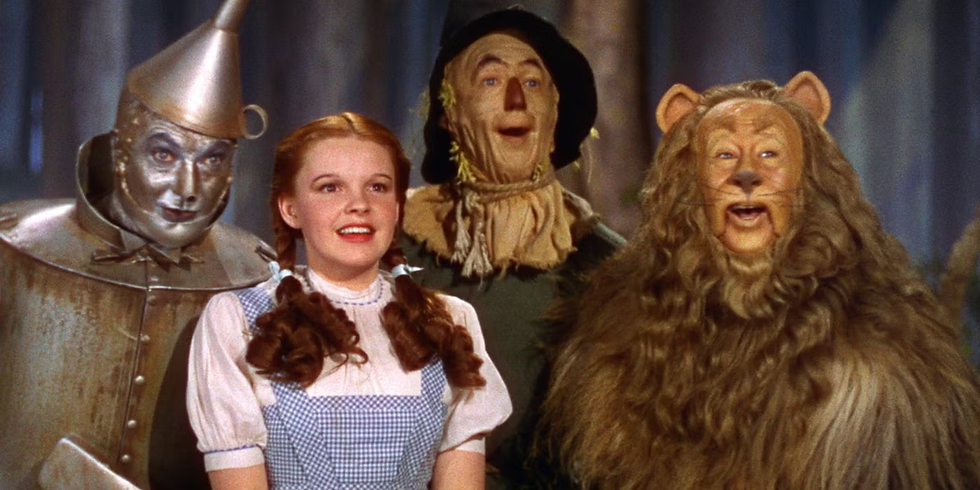
More than eight decades after its first metre-length twirl on the yellow brick road, “The Wizard of Oz” remains a cultural juggernaut its technicolour magic and thematic resonance still reverberating through film, theatre, immersive experiences and myriad retellings. Despite the vast array of newer classics and a streaming-landscape that frequently sidesteps older titles, the 1939 MGM musical is not just surviving it is flourishing.
Among the most striking signals of its enduring relevance is the blockbuster run of an immersive version of the film at the Sphere in Las Vegas. Here the original work has been expanded with AI enhancements and large-scale presentation formats, reportedly pulling in up to $2 million daily. While some critics balk at the alterations cutting 25 minutes, widening the frame and adding digital overlays the appetite for Oz remains undiminished, perhaps even amplified by spectacle.
At its core the film’s staying power comes from two interlocking elements: its visual invention and its emotional depth. The moment when Dorothy’s sepia-toned Kansas world gives way to the full technicolour exuberance of Oz remains one of cinema’s most iconic transitions an image of transformation that still literally glows. On the narrative side, the story of a young girl seeking home, stepping into fantasy and confronting otherness holds lasting appeal especially for those who have ever felt out of place, hopeful or ready to return to what they know.
In recent years the story’s power has been magnified through reinterpretation. Works such as “Wicked” the musical and its film versions spin the tale from the perspective of Elphaba, the misunderstood witch. These retellings amplify themes of prejudice, identity, alienation and resistance. The Oz story has become a platform for exploring marginalisation, power structures and the search for belonging.
The cultural ecosystem around Oz is now broad: horror reimaginings, YA series, Broadway revivals of related titles like “The Wiz”, and even high-tech second-screen installations. All this points to a property less rooted in nostalgia and more in foundational narrative versatility. The Guardian piece argues that part of the film’s legacy lies in how it allows viewers to find themselves in Dorothy’s journey from outsider to accepted friend while still choosing home over myth.
This keeps the film thriving in an era of disposable pop culture. Many 1930s or 1940s films feel distant; “The Wizard of Oz” remains immediate. It opens up multiple interpretive routes rather than locking itself into a single message. It appeals to children enchanted by flying monkeys and yellow bricks, and to adults pondering exile, belonging and the cost of conformity. That dual appeal is rare.
For many artists and creators, Oz is a kind of master template. It marries advanced visual technique (for its time) with enduring human questions. Emerging filmmakers point to it as a source of inspiration for how fantasy can be rooted in psychological truth. The current wave of reinterpretations shows how the Oz myth has become a versatile cultural toolkit.
Even the film’s commercial life is noteworthy. The Sphere version demonstrates that a 1939 title can still fill modern venues, lure audiences and justify investment. Beyond that, Oz-related IP continues to underpin new productions and licensing efforts, suggesting its narrative currency is far from spent. The apparent paradox vintage film meeting cutting-edge format actually underlines its robustness.
There are, of course, tensions. Some see recent adaptations and expansions of Oz lore as taking advantage of the original rather than honouring it. But even these critiques reflect the fact that Oz remains relevant enough to be contested. When a cultural product is being diversified, re-worked and even challenged, you know it still matters.
Ultimately the strength of “The Wizard of Oz” lies not just in the ruby slippers or the poppy-field sequence, but in its framing of transformation and return. Dorothy leaves the familiar, journeys into unknown terrain, confronts fear, and chooses to go home. That arc speaks to fear of change, the promise of escape and the value of identity. It holds power because each generation can read it differently while still seeing themselves in Dorothy’s shoes.
In a media environment flush with new content, the fact that audiences still willingly click their heels three times and sing “There’s no place like home” is remarkable. For a film to resonate across generations, epochs and formats is unusual. That “The Wizard of Oz” does so is not a sign of quaintness but of lasting relevance.


Comments