Why Cannabis Can Be Legal in a State but Illegal Under Federal Law

Cannabis policy in the United States operates under two legal systems at once. A state can license cultivation, stores and adult possession, while federal law continues to restrict the same substance. The apparent contradiction is real, but it reflects the division of power between state governments and the federal government.
States control many criminal, health and commercial rules inside their borders. When a state legalizes cannabis, it generally removes or changes state penalties and creates a regulated market. That decision does not repeal federal law, and it cannot authorize conduct outside the state’s jurisdiction.

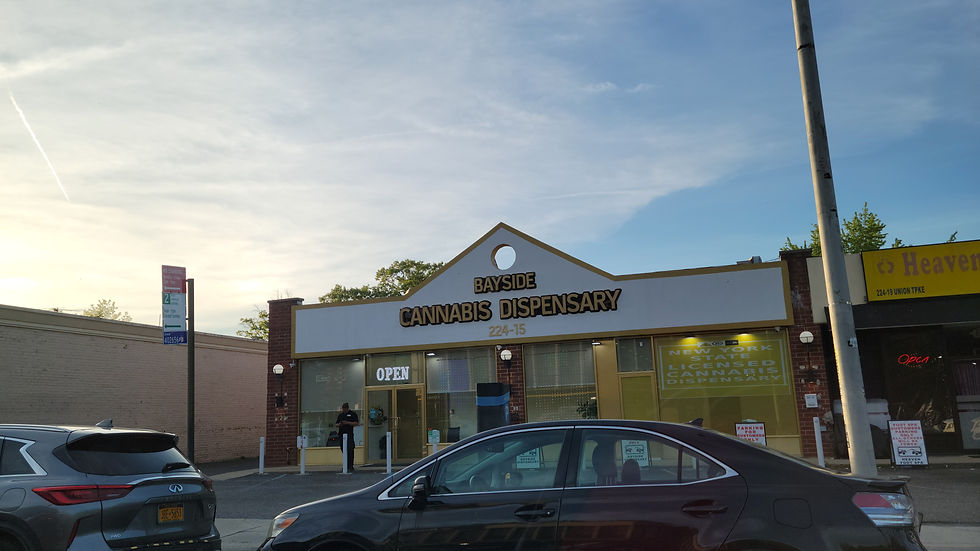
Photo: Prashanthns/Wikimedia Commons, CC BY-SA 4.0.
Federal cannabis policy comes primarily from the Controlled Substances Act. Federal scheduling determines how a substance is regulated, researched and penalized. The status of marijuana has been under an active federal rescheduling process, but moving it to a different schedule is not the same as making recreational cannabis federally legal.
That distinction matters because rescheduling can change research conditions and certain business consequences without eliminating every federal restriction. A state-issued license remains a state authorization. It does not become a general federal license to manufacture or sell cannabis across the country.
Federalism allows state and federal rules to overlap. State police do not have to enforce every federal prohibition, and federal agencies do not have the resources or policy direction to prosecute every activity permitted under state law. The result is a regulated state market operating beside a federal statute that still reaches cannabis.
Congress has sometimes limited how federal funds may be used against state medical-cannabis programs. Those appropriations protections are narrower than legalization and depend on the exact statutory language and funding period. They should not be mistaken for permanent immunity.
Banking reveals the practical consequences. Financial institutions are federally regulated and must manage anti-money-laundering obligations. Even when a cannabis business complies with state rules, banks may view the account as legally complicated or expensive to monitor. That can leave operators with fewer services and higher fees.
Federal tax law creates another pressure point. Section 280E of the tax code restricts deductions for businesses trafficking in certain controlled substances. A state-legal cannabis company may therefore face a tax calculation unlike that of an ordinary retailer. Changes in scheduling can affect this issue, but the outcome depends on the final federal status and implementation.
Interstate commerce remains a major boundary. Two neighboring states may both permit adult-use sales, yet transporting cannabis across the state line can trigger federal law. State markets are consequently built as separate systems, with products generally cultivated, tested and sold inside the same state.
Hemp follows a different federal framework. Federal law distinguishes qualifying hemp by its delta-9 THC concentration, but states may impose stricter rules and lawmakers continue to debate intoxicating hemp-derived products. A package labeled “hemp” is not automatically lawful everywhere or exempt from product standards.
Consumers also face limits involving federal property, employment, housing, travel and firearms law. A purchase that is lawful at a licensed state store may still create problems in a national park, at an airport checkpoint or under an employer’s workplace policy. Local rules can add another layer.
The safest way to understand cannabis law is to ask three separate questions: what does the state allow, what does federal law prohibit and where will the activity occur? Legalization is not one national switch. It is a changing map of state programs operating inside a federal system that has not fully reconciled with them.


Comments