
Supreme Court Petition Targets Residency Rules in State Cannabis Licensing

A new petition asks the U.S. Supreme Court to decide whether state and local cannabis licensing programs may favor residents over out-of-state applicants. The dispute reaches the justices after federal courts took conflicting approaches to marijuana markets that operate legally under state law but remain constrained by federal law. The Court has not agreed to hear the case, and a petition is only a request for review, not a ruling on the merits.
The applicants sought business licenses in Washington State and Sacramento, California. They argue that residency preferences violate the Constitution's dormant Commerce Clause, a doctrine used to prevent states from discriminating against interstate commerce. The Ninth Circuit rejected their position, reasoning that the doctrine does not protect commerce Congress has prohibited. The petition asks the Supreme Court to resolve that reasoning against decisions elsewhere that have treated state-legal cannabis activity differently.
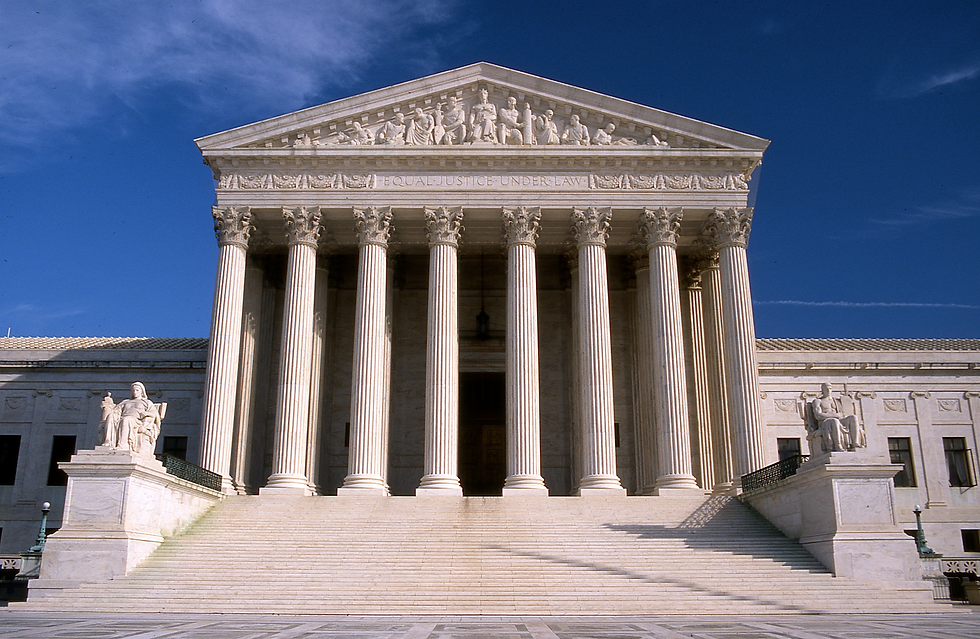
Photo: Jeff Kubina · Public domain
The legal question is narrower than whether marijuana may cross state lines. The petition says the case concerns who can own or receive a license inside a state. Supporters of residency rules argue that local preferences keep opportunity and investment within communities that built the market and bore the costs of prohibition. Opponents say the rules are protectionist barriers that limit capital, competition and mobility.
That conflict has practical consequences. Cannabis businesses often struggle to access conventional banking and investment because federal restrictions remain. Limiting ownership to residents can further narrow the pool of financing, particularly for small operators. Yet removing preferences can allow well-capitalized national companies to outbid local applicants. The constitutional debate therefore sits inside a policy debate about who legal markets were designed to benefit.
Federal marijuana policy has changed, but it has not created a normal national market. State-licensed medical cannabis has been moved to Schedule III under the federal framework cited in the court filings, while adult-use rules remain state based. The petition argues that this changing landscape weakens the logic for excluding constitutional scrutiny. States respond that federal illegality still makes marijuana unlike ordinary goods.
The Court will first decide whether the case is worth hearing. At least four justices must vote to grant review. The justices may ask for a response, consider amicus briefs or deny the petition without explanation. A denial would leave the Ninth Circuit ruling in place without endorsing its reasoning nationwide. A grant would set up briefing and argument on a question capable of reshaping licensing systems well beyond Washington and Sacramento.
The stakes are cultural as well as commercial. Legalization campaigns often promised to repair some of the damage caused by prohibition and create opportunity for residents disproportionately affected by enforcement. Residency rules are not the same as social-equity programs, but they can overlap with local-ownership goals. A court ruling that restricts one tool would increase pressure on states to design alternatives that survive constitutional review.
CultureState's coverage of California's legal cannabis economy has shown how tax revenue, enforcement and licensing interact. The federal-policy debate adds another layer because states are building businesses inside a national system that remains incomplete. The new petition exposes the contradiction: markets are local enough to be licensed state by state, yet potentially commercial enough to trigger constitutional limits on discrimination.
Industry participants should avoid treating the filing as an immediate change in law. Existing licenses and application rules remain governed by current statutes and court orders unless a judge or regulator says otherwise. Applicants should obtain jurisdiction-specific advice, while policymakers can begin examining whether their programs depend on residency, in-state ownership or other preferences vulnerable to challenge.
The most important fact today is procedural but consequential: the Supreme Court has been asked to enter a dispute that lower courts have not resolved consistently. If the justices take the case, they will confront a cannabis economy shaped by federal prohibition, state legalization and local promises of ownership. Whatever the outcome, the question of who gets access to the legal market will remain one of the defining tests of legalization's next phase.


Comments