Rapper Mystikal Sentenced to 20 Years in Prison Following Louisiana Rape Conviction

16 June 2026
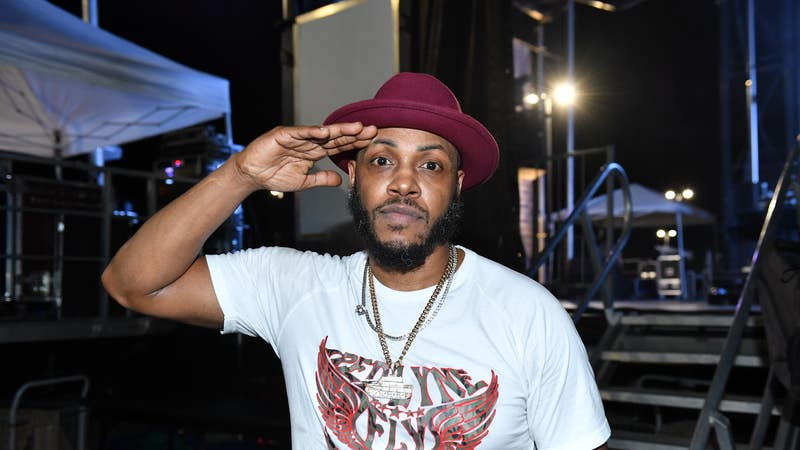
The long and highly publicized legal case involving rapper Mystikal has reached a significant conclusion, as the artist was sentenced to 20 years in prison after being convicted of raping a woman in Louisiana. The sentence marks the latest chapter in a legal saga that has drawn widespread attention within both the music industry and the broader public.
Mystikal, whose real name is Michael Tyler, rose to fame during the late 1990s and early 2000s as one of the most recognizable figures in Southern hip-hop. Known for his energetic performances, distinctive voice, and a string of successful albums and singles, he built a loyal fan base and achieved considerable commercial success throughout his career.
However, in recent years, his public image became increasingly overshadowed by serious legal troubles. The case that ultimately led to his sentencing stemmed from allegations made by a woman who accused the rapper of sexual assault. Prosecutors argued that the evidence presented during the trial demonstrated that the assault occurred and warranted a substantial prison sentence.
Following legal proceedings that extended over several years, a jury found Mystikal guilty. The conviction represented a major development in a case that had attracted significant media attention because of the rapper's celebrity status and previous legal history.
During sentencing, the court considered the nature of the offense, the evidence presented during trial, and other relevant factors before imposing the 20-year prison term. Legal experts noted that the sentence reflects the seriousness with which courts continue to treat sexual assault convictions.
The outcome has generated strong reactions from both supporters and critics. Advocates for victims of sexual violence viewed the verdict and sentence as an example of accountability within the justice system. Many emphasized the importance of allowing survivors to pursue legal action and have their cases heard in court.
Meanwhile, some longtime fans expressed disappointment and sadness over the downfall of an artist whose music played a significant role in the development of Southern rap. For many, the sentence represents the final collapse of a career that once appeared filled with promise and opportunity.
Mystikal's journey through the music industry was marked by both remarkable achievements and recurring controversy. During his peak years, he became one of the most prominent artists associated with the influential No Limit Records label. His albums achieved commercial success, and his performances helped establish him as a major force within hip-hop culture.
Yet legal difficulties repeatedly interrupted his professional momentum. Various incidents over the years led to arrests, court appearances, and prison sentences, creating a pattern that complicated efforts to rebuild his career even after periods of success.
The latest conviction has once again reignited conversations about the relationship between celebrity, accountability, and the criminal justice system. Cases involving well-known public figures often attract heightened scrutiny because they exist at the intersection of entertainment, media coverage, and legal proceedings.
Observers note that celebrity status can create unique challenges during high-profile trials. Public attention frequently intensifies, and discussions often extend far beyond the courtroom. At the same time, courts are expected to apply the law consistently regardless of a defendant's fame or public profile.
The case also reflects broader societal changes regarding how allegations of sexual misconduct are addressed. In recent years, public awareness surrounding sexual violence and victims' rights has increased significantly. Many legal experts believe that growing awareness has contributed to a stronger focus on accountability and support for survivors.
For the music industry, the sentencing serves as another reminder of how personal conduct can dramatically affect professional legacies. While artistic achievements may remain part of an individual's career history, criminal convictions often reshape public perceptions in lasting ways.
As Mystikal begins serving his sentence, questions remain about how history will ultimately remember his legacy. For some, he will be remembered for his contributions to hip-hop and Southern rap. For others, the conviction and prison sentence will become the defining aspects of his story.
What is certain is that the legal proceedings have reached a significant conclusion. The sentence closes one chapter while opening another, leaving the courts, the music industry, and the public to reflect on a case that has remained in the spotlight for years.


Comments