Justin Bieber Unleashes Swag, a Darker, More Vulnerable Album That Redefines His Sound
- Jul 11, 2025
- 3 min read
11 July 2025
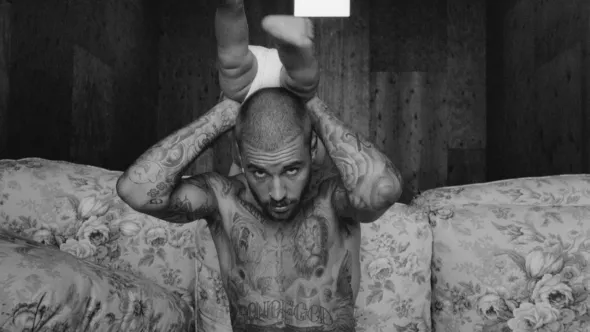
Justin Bieber has returned with a surprise release that pivots sharply from the polished pop he has become known for. Titled Swag, this is his seventh studio album and the first since Justice in 2021. Positioned as a break from expectation, Swag debuts with 21 tracks that immerse the audience in personal reflection, emotional depth, and an unfiltered portrait of a man navigating new chapters in life.
According to insiders who spoke with People, the album embraces a darker, more vulnerable tone, shedding some of the glossy finishes that marked his earlier work. It is not, however, a bleak or heavy record. Instead, it channels a raw authenticity that eschews polish for reflection, bearing the mark of an artist unafraid to share his interior world. A representative emphasized that although this sound may seem more intense, it is not depressing.
Much of Swag’s emotional resonance is tied to Bieber’s identity as a new father. His 10‑month‑old son, Jack Blues, is said to have deeply influenced the lyrical and sonic direction of the album. Tracks such as “DADZ LOVE” and “THERAPY SESSION” hint at introspective explorations into parenthood, relationships, and self-discovery. Family imagery similarly figured prominently in the album’s rollout, including reposted billboards from Los Angeles, Reykjavik, and Times Square that featured Bieber alongside Hailey and Jack. Hailey took a public step forward in support by re-sharing one such promotional display.
The production team behind Swag reflects both consistency with and evolution from Bieber’s previous era. Regular collaborators such as DJ Tay James, HARV, Carter Lang, and Eddie Benjamin contributed to sessions in Los Angeles. The album is rounded out with guest appearances by artists including Gunna, Sexyy Red, Cash Cobain, Lil B, and Marvin Winans, suggesting a more genre-fluid approach that blends R&B, hip-hop, and pop with a grittier edge.
Further heightening the sense of surprise, Bieber’s team rolled out the album via cryptic black-and-white billboards emblazoned only with the word Swag. The viral teaser campaign sparked speculation before People and The Hollywood Reporter confirmed the midnight July 11 release under Def Jam Records. He completed the rollout with an Instagram Reel revealing the tracklist, glimpsed atop a billboard in New York City.
Initial reviews paint Swag as a nuanced reflection rather than a reinvention. A few critics note that while the new album certainly reveals a more grounded and introspective side, it doesn’t radically depart from what fans expect from Bieber’s repertoire. It is an evolution rather than a revolution.
The shift outwardly challenges Bieber’s role in the public consciousness. In past years he grappled publicly with personal health issues, most notably Ramsay Hunt syndrome, and reframed his image as he sold his music catalog and welcomed fatherhood. Swag, however, signals a new chapter, one that is reflective, artistically confident, and centered on lived experience.
With its surprise drop, heartfelt content, and genre-blending collaborations, Swag invites listeners into a more intimate connection with Bieber. It is an album born of domestic milestones, personal trials, and creative reinvention and perhaps the clearest portrait yet of an artist charting a path beyond youthful fame into the complex terrain of adulthood and parenthood.
As Swag begins streaming, fans and critics alike will be weighing its emotional resonance and sonic footprint. Will Bieber’s vulnerability in this record position him as a mature storyteller? Will the surprise-release model add momentum to its debut? One thing is clear: Swag represents an artist willing to shed layers and reveal himself more starkly than ever.


Comments