In Trump’s Culture Wars Black Art Becomes a Target And Resilience Defines the Response
- Jun 22, 2025
- 2 min read
22 June 2025
When Jesse Owens strode onto the podium in Berlin, head bowed and chest puffed with victory, he didn’t just win four Olympic medals, he shattered an ideology. In front of Adolf Hitler and a captivated world, Owens dismantled the myth of white physical supremacy. Europe’s reigning colonial powers, long rooted in narratives of racial hierarchy, suddenly faced undeniable proof that Black excellence could not be denied. That moment transcended athletics. It laid the groundwork for a cultural reckoning still unfolding today, one that Donald Trump’s administration now finds threatening.
By the late 1960s, a generation of Black artists seized Owens’s legacy. They birthed the Black Arts Movement, not as an accessory to activism but as its core. Writers, musicians, painters, filmmakers, theater makers, poets and educators formed independent cultural institutions, book stores, galleries, theaters, academic programs, media outlets, all designed to amplify Black voices on their own terms. They shifted authority away from white gatekeepers and embraced a new era of self-determination .
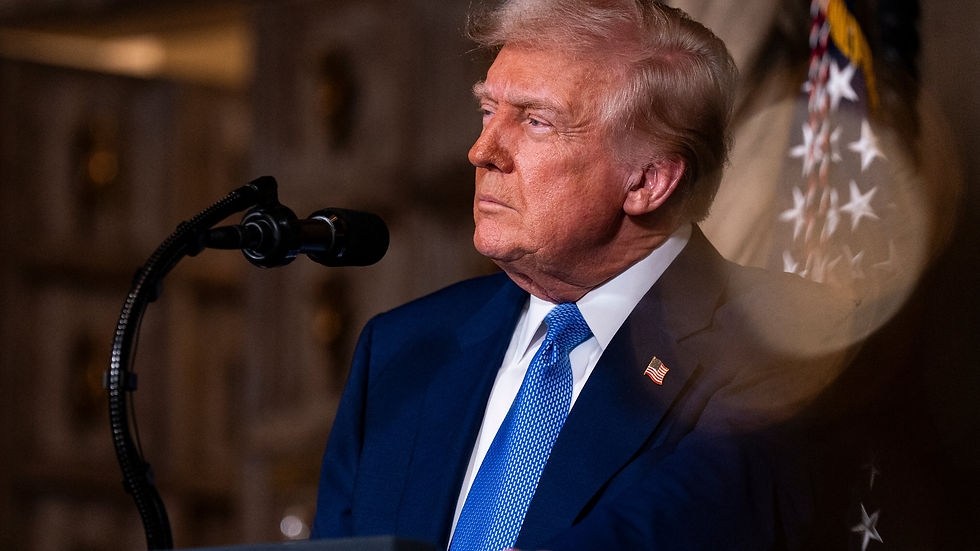
Fast forward to today, and Trump’s return to power has brought profound cultural consequences. His administration has actively dismantled institutions central to Black cultural autonomy undermining funding for the National Endowment for the Arts, appointing new leadership at the Kennedy Center, and purging Black executives from the Smithsonian and other major cultural organizations. Where once Owens’s success had symbolized a blow to racist narratives, now Trump appears intent on reasserting them by politicizing art itself
Views on these actions vary. Some see this as an assault on diversity, equity, and inclusion efforts. Others interpret it more sharply, as the suppression of Black narratives that challenge dominant power structures. In this reading, Trump has declared cultural war not out of practicality but fear, fear of institutions and voices capable of challenging white supremacy from within the American narrative fabric.
This debate is not academic. Across the U.S., Juneteenth celebrations and Black-focused programming have been slashed. Community art spaces report cuts. Museums once funded to represent underrepresented perspectives now face budgets in freefall. The message, intended or not, is clear: Black culture that speaks truth to power must be silenced until it is politically innocuous .
At the heart of the issue is this tension between representation and autonomy. Token programs offering slim nods to diversity are safe. Full-throated platforms that center Black experience on its own terms are not. The strategy is familiar: permit mild acknowledgment of difference as long as it never translates into institutional authority. Strip power from narrative creation and control returns to traditional gatekeepers .
There’s a historical irony here. Classical fascist states in Europe once led campaigns against “degenerate art” works seen as culturally or racially unacceptable. Trump’s New Order threatens to revive that legacy, declaring wars on libraries, museums, festivals, or curricula that exceed the boundaries of a white-dominant culture. Authentic Black cultural institutions suddenly look more like threats than celebrations .
Despite this, resistance is rising. Museums and educational centers are redoubling their commitments to archival


Comments