The $28 Billion Hemp-THC Market Got 29 More Days. December 11 Is Still a Cliff

America’s intoxicating hemp market received 29 additional days, not a permanent rescue. A short-term federal funding law delayed new restrictions from November 12 to December 11, 2026, giving lawmakers another window to debate regulation before most current hemp-derived THC products face a radically narrower legal definition. The industry is estimated at roughly $28 billion. Its stores, farms and beverage brands now have a deadline close enough to change orders, staffing and shelf space.
The dispute begins with the 2018 Farm Bill. Congress defined hemp largely by its concentration of delta-9 THC, allowing cannabis with no more than 0.3 percent delta-9 THC by dry weight. Businesses used that framework to produce gummies, drinks, vapes and flower containing intoxicating cannabinoids, including delta-8 and hemp-derived delta-9. Many of those products were sold outside state-licensed marijuana systems, sometimes in ordinary convenience stores.

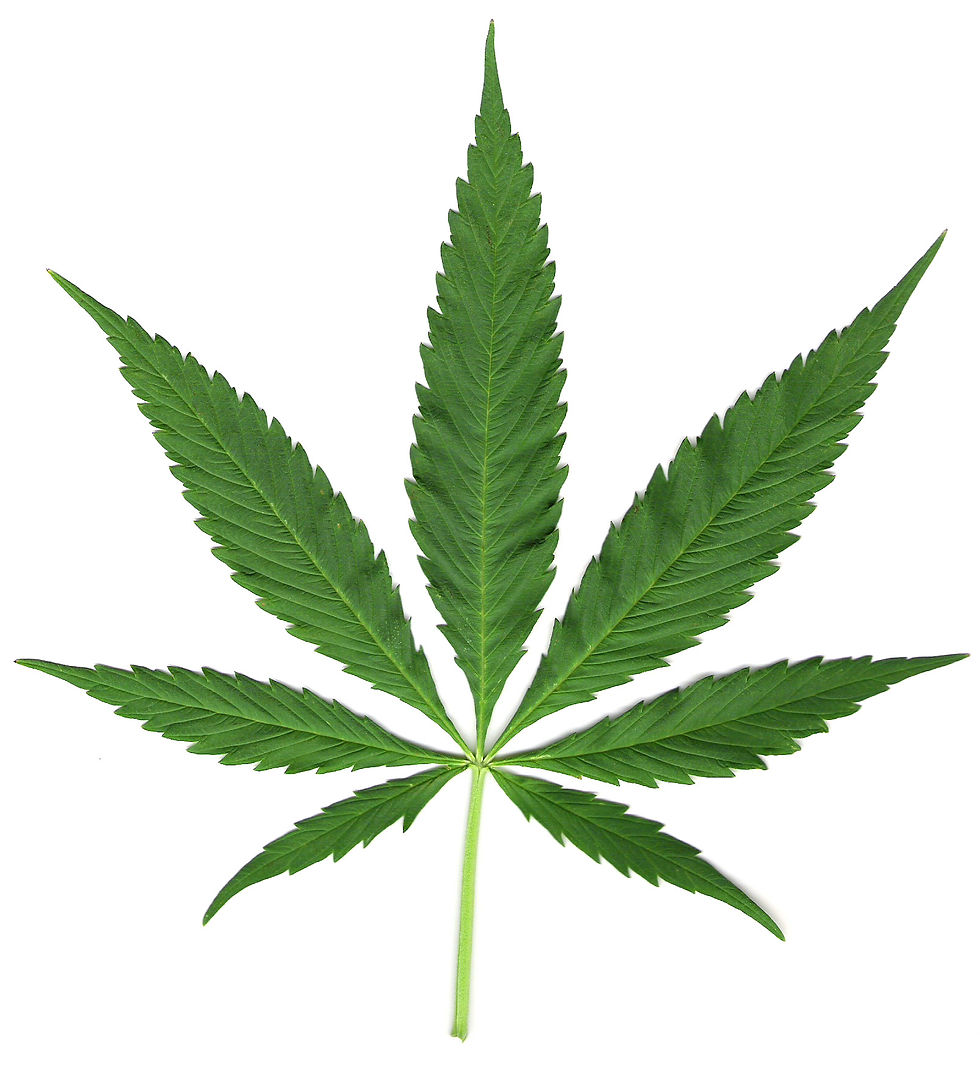
Congress delayed the new federal hemp restrictions until December 11, leaving businesses a short window to seek a regulatory alternative. Image: Kentucky Department of Agriculture / Wikimedia Commons / CC BY-SA 4.0
The later federal law changes the calculation. According to the Congressional Research Service, the amended definition addresses total THC and limits finished products in ways that would exclude much of today’s intoxicating hemp market. Supporters say Congress is closing a loophole that placed psychoactive products near children without consistent age limits, testing or packaging rules. Opponents say the language is so broad that it could eliminate responsible businesses and sweep in some non-intoxicating products.
The September continuing resolution moved the effective date to December 11. Members of both parties described the delay as time to pursue a long-term framework rather than an endorsement of the current market. Proposals under discussion include age restrictions, potency and serving limits, laboratory testing, warning labels, child-resistant packaging and a ban on wholly synthetic cannabinoids. The political challenge is agreeing on rules before the clock reaches the new date.
Consumers should understand that “hemp” has never meant a product cannot impair. Chemical structure, dose and individual response matter more than a marketing category. A drink containing hemp-derived THC can affect judgment and driving. Products may also vary in accuracy if testing is weak. Buyers should look for a recent independent laboratory certificate, clear milligrams per serving, a complete ingredient list and packaging that cannot be mistaken for ordinary candy.
Businesses face a different set of decisions. A retailer ordering several months of inventory could be left with products it cannot legally sell after the deadline. Manufacturers may need to reformulate, relabel or exit certain states even if Congress changes federal law. Banks, insurers and payment processors will reassess risk. Companies should obtain legal advice tied to their products and locations rather than relying on a supplier’s general statement that everything remains compliant.
State law remains another layer. Some states license or regulate hemp-derived intoxicants, while others restrict them more sharply. Legal marijuana markets typically require seed-to-sale tracking, testing and age-gated dispensaries, which hemp retailers may not face. That difference drives part of the conflict. Cannabis operators argue they compete under expensive rules while similar effects are sold through a different channel. Hemp businesses answer that regulation can solve the problem without prohibition.
The approaching change is separate from the cannabis ballot measures facing voters. State elections may expand or limit medical and adult-use programs, but they do not by themselves rewrite the federal hemp definition. A state could allow marijuana sales through licensed stores while a federally noncompliant hemp product disappears from general retail. Consumers often treat all THC as one market, even though the law divides it into several overlapping systems.
The best outcome would replace ambiguity with standards that can be understood before a product reaches a shelf. Age gates, testing and honest dosage are more useful than labels designed to hide intoxication behind technical language. At the same time, a rule should distinguish a high-dose gummy from fiber, grain and legitimate non-intoxicating cannabinoid products. Poorly drawn boundaries can create enforcement problems without delivering the promised safety.
December 11 is therefore a cliff, but it is also a policy test. Congress can let the restrictions take effect, extend the deadline again or pass a regulatory alternative. Companies should not assume another rescue will arrive. Consumers should not panic-buy products that may be unsafe or poorly labeled. The next six weeks will show whether lawmakers can turn a market born from an unintended opening into one governed by deliberate, enforceable rules.


Comments