Doja Cat reignites beauty culture as the first covergirl of MAC’s relaunched magazine
- Jan 27
- 4 min read
27 January 2026
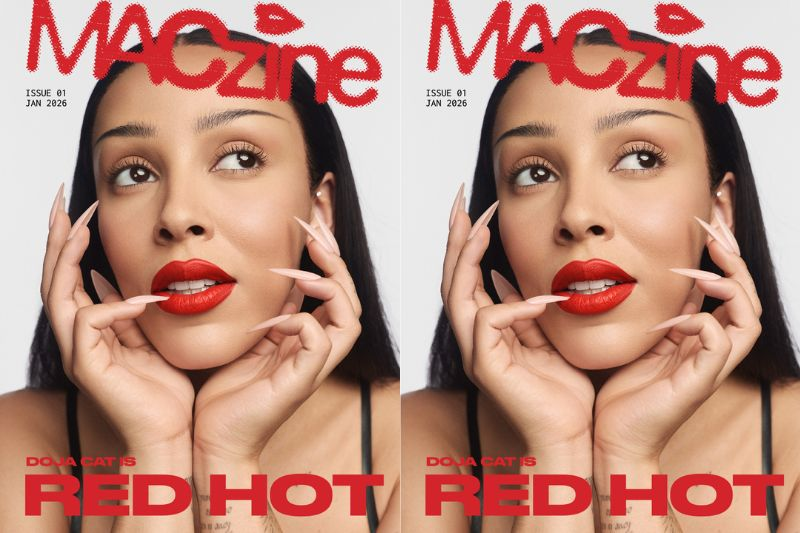
In a move that feels like a cultural reset for beauty media, MAC Cosmetics has officially resurrected its once-iconic magazine and tapped one of music’s most vibrant stars as its inaugural covergirl for the 2026 edition. After nearly a decade in hiatus, MACzine the editorial platform first introduced by the brand in the late 2000s has returned as a digital-first, socially fluent space where beauty, fashion and pop culture intersect. Leading this new chapter is Doja Cat, the Grammy-winning artist whose bold persona and boundary-pushing aesthetic make her a fitting ambassador for a publication aiming to capture the zeitgeist of contemporary beauty culture.
Doja Cat’s cover image for MACzine’s relaunch is striking and emblematic of her influence she’s shown holding a striking red lipstick to her lips, the visual a deliberate blend of glamour and defiance that nods to both her music career and her growing role in beauty circles. Her selection as the first covergirl signals more than a typical celebrity endorsement; it reflects MAC’s desire to anchor its revived editorial voice in figures who shape culture rather than merely reflect it. Cosmetic brands have long relied on musicians and actors for clout, but in this case the collaboration feels especially symbiotic, with Doja Cat’s persona and MAC’s edgy heritage aligning at a moment when beauty trends are cyclical and maximalist looks are resurging.
The original MACzine was known in its heyday as a creative playground: a place where experimental ideas could be showcased without the constraints of mainstream advertising. From 2009 to 2017, it served both as a seasonal style manifesto and as a behind-the-scenes look at how MAC artists pushed the boundaries of makeup artistry and fashion. In its digital reincarnation, the magazine aims to do the same but with a sharper focus on immediacy and cultural relevance, leveraging platforms where consumers engage most social feeds, video and streaming formats to deliver stories that feel alive rather than archived. Nicola Formichetti, MAC’s global creative director, has framed the relaunch as a chance to reconnect with bold self-expression, a value both he and Doja Cat embody in their respective creative worlds.
Doja Cat’s role extends beyond mere imagery. As part of the launch, she created an online makeup tutorial that features her applying products from a new limited-edition lip kit developed in collaboration with MAC. In the video, she speaks directly to her audience about her personal connection to makeup tutorials as a formative influence, blending candid storytelling with branded content in a way that feels authentic rather than transactional. Whether she’s bare-faced at the start of the tutorial or transformed at the end, her ease in front of the camera and the effortless confidence she brings to the narrative underscore why she is a compelling choice to represent this moment in beauty culture.
Industry watchers note that MAC’s decision to bring MACzine back now comes at a time when beauty storytelling is undergoing rapid transformation. The rise of digital influencers, the fragmentation of traditional media outlets and the proliferation of short-form video content have all redefined how audiences discover, interpret and interact with beauty trends. A digital magazine that can respond in real time, elevate creative experimentation and spotlight figures who operate at the nexus of music, fashion and visual identity like Doja Cat gives MAC a foothold in these shifting conversations. The relaunched MACzine positions itself not just as a beauty authority but as a cultural barometer.
Historically, MAC has been at the forefront of championing unconventional beauty voices. Its collaborations with figures like Queen Latifah, Missy Elliott, Nicki Minaj, Rihanna and Saweetie have shown a long-standing commitment to diversity and creative boldness, a thread that continues with Doja Cat’s involvement. By placing a musician whose visual creativity rivals her musical output at the center of its editorial relaunch, MAC is reaffirming that beauty is not just about products but about how individuals express identity, challenge norms and shape visual culture.
The magazine’s digital format also allows for a richer dialogue with its audience. Rather than static print issues delivered on a quarterly schedule, MACzine’s new iteration will be able to respond to trends, spotlight emerging artists, collaborate with creators and unspool stories in immersive multimedia formats. This approach aligns with how a new generation consumes culture through interactive, accessible content that invites participation rather than passive observation. Doja Cat’s presence on the cover, then, becomes a launching point for layered conversations about beauty, music, creativity and self-expression in a digital era.
For Doja Cat herself, the collaboration represents another milestone in her evolving career. She has consistently defied easy categorization: a chart-topping musician whose style choices in makeup, fashion and hair often dominate cultural conversations. Her willingness to play with personas, aesthetics and media formats has made her not only a music star but a stylistic icon for fans across the world. Headlining the relaunch of MACzine places her in a lineage of cultural figures who have helped define beauty trends for their generation, reinforcing her impact beyond the recording studio and onto screens, billboards and social-media feeds.
As MACzine rolls out content throughout 2026, it will no doubt continue to explore intersections between art, beauty and identity. Doja Cat’s cover, a bold and unapologetic statement in itself sets a tone that feels both of its time and forward-looking. In a world where beauty norms are increasingly fluid and influence is decentralized, this relaunch reflects not just a magazine reborn but a cultural moment in which beauty and music collide in unexpectedly powerful ways.


Comments