Cannes Film Festival Introduces Stricter Red Carpet Dress Code Rules

13 May 2026
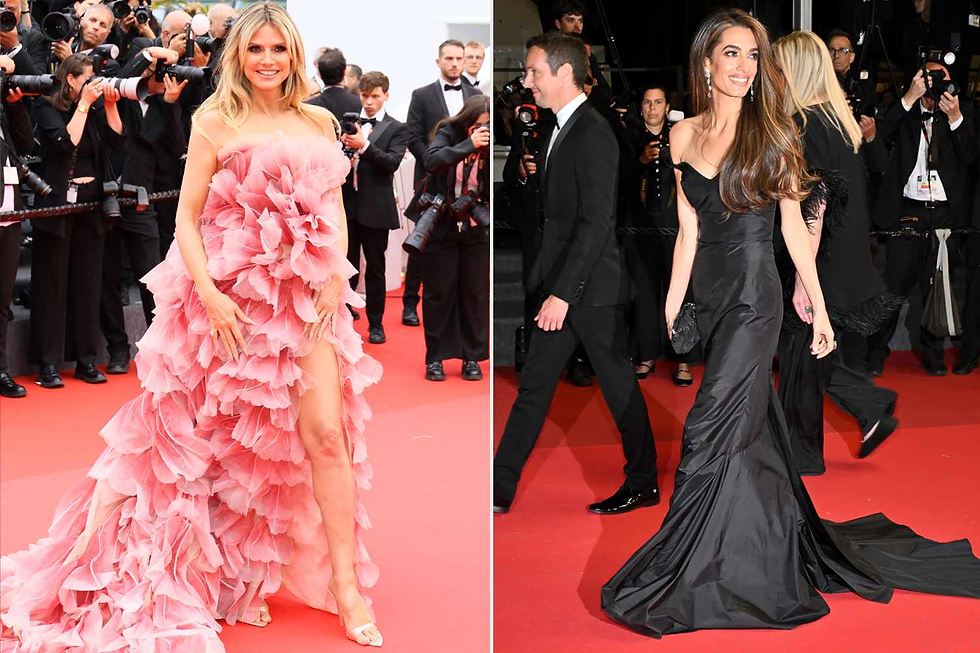
The Cannes Film Festival has always been synonymous with glamour, extravagance, and fashion moments designed to dominate headlines across the entertainment world. This year, however, the famous French festival is drawing attention not only for the films premiering along the Riviera but also for the stricter dress code rules now being enforced on its iconic red carpet. Organizers behind the 2026 Cannes Film Festival have reportedly updated formal guidelines outlining exactly what celebrities, influencers, and guests are no longer allowed to wear during official appearances, signaling a noticeable shift toward more traditional standards of elegance and decorum.
According to reports, festival organizers are now banning overly revealing “naked dresses” and excessively voluminous outfits that disrupt crowd movement or create logistical problems on the red carpet. The updated policy specifically discourages sheer garments exposing large portions of the body as well as massive gowns with oversized trains that make seating and security management difficult inside screening venues. The changes reportedly aim to preserve what Cannes officials describe as the elegance and sophistication historically associated with the festival while also improving safety and efficiency during high profile premieres attended by global celebrities and international media.
The decision immediately sparked conversation online because Cannes has long been known for dramatic fashion moments that blur the line between haute couture, performance art, and publicity strategy. In recent years, celebrities and influencers increasingly pushed boundaries with daring transparent fabrics, sculptural silhouettes, and outfits designed primarily to go viral across social media platforms. Red carpets at major events have evolved into global marketing opportunities where fashion houses compete for attention through increasingly provocative and unconventional looks. Critics of the new Cannes rules argue the festival may now appear out of touch with the modern realities of celebrity culture and fashion publicity.
At the same time, supporters of the restrictions believe Cannes is attempting to restore focus on cinema itself rather than allowing fashion spectacle to completely dominate the event. Over the past decade, some film critics and industry insiders complained that celebrity appearances and influencer culture increasingly overshadowed the movies premiering at major festivals. Social media coverage often focused more heavily on dresses, scandals, and viral moments than on the filmmakers or performances being celebrated. Festival organizers reportedly hope the updated guidelines will encourage a return to classic elegance while reducing distractions surrounding controversial or attention seeking outfits designed primarily for internet reaction.
The Cannes Film Festival has a long history of strict fashion expectations and occasional controversy surrounding dress codes. In previous years, the event faced backlash after reports emerged that women wearing flat shoes were allegedly denied entry to premieres because they failed to meet formal attire expectations. The festival later clarified aspects of its policy, but the incidents fueled criticism about outdated gender norms and rigid beauty standards within elite entertainment spaces. Cannes has therefore often found itself balancing tradition with evolving cultural attitudes toward self expression, inclusivity, and fashion freedom. The newest restrictions appear to continue that ongoing tension between preserving prestige and adapting to modern celebrity culture.
Despite the controversy, fashion experts expect Cannes to remain one of the most influential red carpets in the world, with luxury brands and stylists likely adjusting creatively to the updated rules rather than abandoning spectacle altogether. Designers are already known for finding innovative ways to work within restrictions while still creating unforgettable looks capable of dominating headlines and social media feeds. In many ways, the debate surrounding the Cannes dress code reflects a larger cultural shift happening across celebrity fashion itself. Red carpets are no longer just glamorous industry traditions. They are now global stages where identity, branding, art, controversy, and internet attention collide in real time. Cannes may be tightening its rules, but the competition for visibility and cultural relevance is unlikely to disappear anytime soon.


Comments